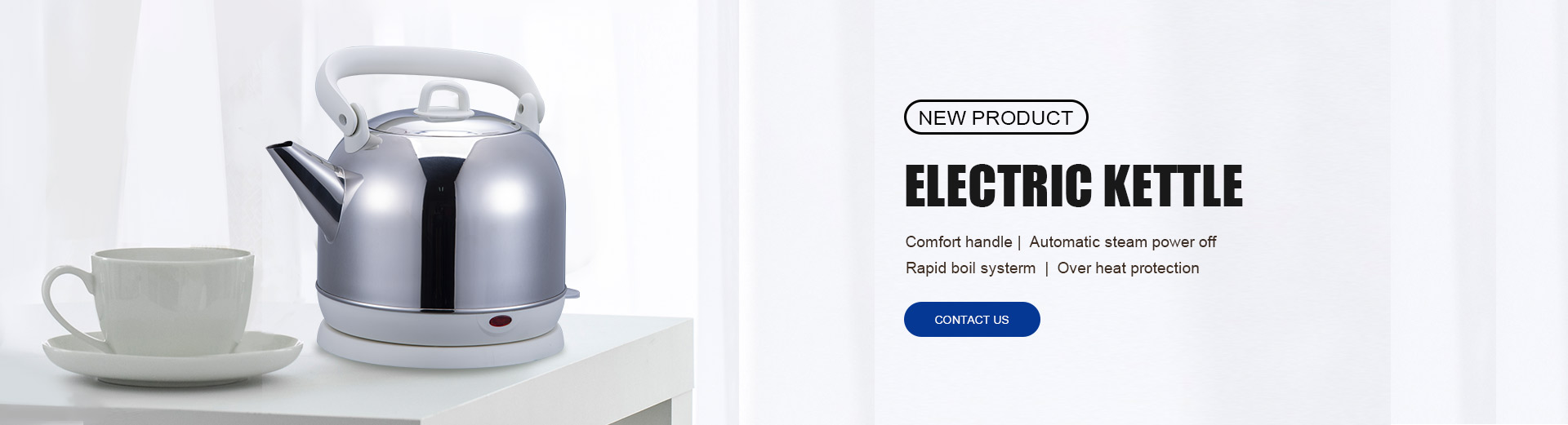
The min line on an electric kettle is there to make sure the heating system is covered by enough water during operation. When the water level is too low, heat can build too quickly around the heating plate or temperature sensing area, which may trigger boil-dry protection, shorten component life, or cause unstable shut-off behavior. IEC 60335-2-15 covers safety requirements for kettles and other appliances used for heating liquids, which is why water level marking is treated as a real product safety detail rather than a simple visual guide.
A kettle is designed around heat transfer, thermostat response, and automatic shut-off timing. If the water sits below the intended minimum level, the kettle may boil too fast in a small zone, create higher local temperature stress, and activate protection systems earlier than expected. That is why the min line helps protect both user safety and long-term product consistency. For sourcing teams, this is important because field complaints often come from repeated misuse combined with weak structural tolerance.
When buyers evaluate kettle details such as min line marking, heating stability, and dry-boil protection, working with a direct manufacturer usually gives better technical control than working through a trader. SHENBAO describes itself as a professional electric kettle manufacturer integrating mold design, injection molding, metal stamping, and complete assembly under ISO9001 quality management. The company also states that it supports CE, CB, GS, RoHS, and LFGB compliance for global markets.
In an OEM electric kettle project, the water level window, min and max marks, thermostat logic, concealed heating structure, and plug specification should all be confirmed before sample approval. In an ODM process, buyers should go further and review the tank shape, boil-dry response, user labeling, and carton instructions. A practical project sourcing checklist should include sample validation, shut-off test, dry-boil test, repeated boiling test, and pre-shipment inspection. These steps help avoid performance differences in bulk supply. SHENBAO’s published factory guidance emphasizes calibrated heating systems and structured safety validation, which are directly relevant here.
The min line works only when the kettle structure is made accurately. That depends on stainless steel forming or plastic molding precision, level mark placement, thermostat installation, and final assembly consistency. Key quality control checkpoints should include water level visibility, heating stability, automatic shut-off accuracy, dry-boil protection, leakage test, and connector durability. In export-oriented production, these checkpoints matter more than a low quotation because even a small marking error can increase after-sales risk.
For export markets, safety and food-contact compliance need to work together. SHENBAO states that its kettle programs support major certification frameworks, while IEC 60335-2-15 provides the safety baseline for appliances used to heat liquids. In practical sourcing, that means the min line is part of a larger compliance system that connects structure, instruction labeling, protection logic, and user safety.
| Check item | Why it matters |
|---|---|
| Min line position | Helps ensure enough water for safe heating |
| Thermostat response | Supports stable automatic shut-off |
| Dry-boil protection | Reduces damage from low-water operation |
| Level mark visibility | Improves user guidance |
| Factory test routine | Helps maintain bulk supply consistency |
A min line is not there to waste water. It is there to protect the heating system, support proper shut-off, and keep kettle performance stable across repeated use. For long-term supply, the better result usually comes from a manufacturer that controls design, marking accuracy, safety testing, and compliance inside one integrated production system.